Long before the term “roll forming” existed, the principles of shaping metal through incremental deformation were already at work. Ancient blacksmiths hammered bronze and iron into tools and weapons, mastering the art of controlled bending. These rudimentary techniques, though manual, planted the seeds for systematic metal deformation.
The Industrial Revolution of the 18th and 19th centuries created a huge demand for metal parts.Factories needed rails for railways, pipes for infrastructure, and beams for construction. Early rolling mills emerged during this period, using pairs of rollers to flatten or shape hot metal. While primitive compared to modern machines, these devices marked the first steps toward mechanized forming.
The 19th Century: Pioneering Nations and Technological Leaps
Britain’s Railway Revolution
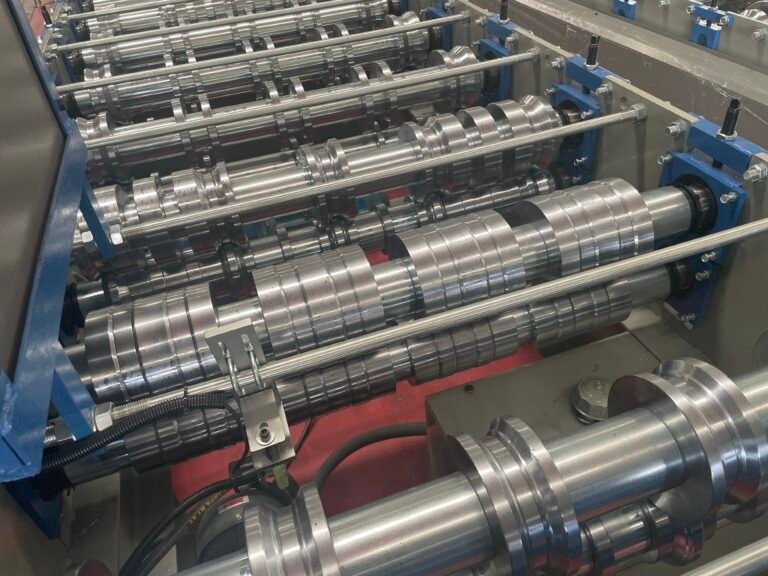
As the birthplace of the Industrial Revolution, Britain became an early hub for metalworking innovation. The rapid expansion of railways in the mid-1800s demanded vast quantities of uniform rails. British engineers responded with “roll trains”—multi-stage rolling mills that shaped red-hot metal into long, continuous profiles. Though manually operated and lacking precision, these systems embodied the core concept of gradual deformation that defines roll forming today.