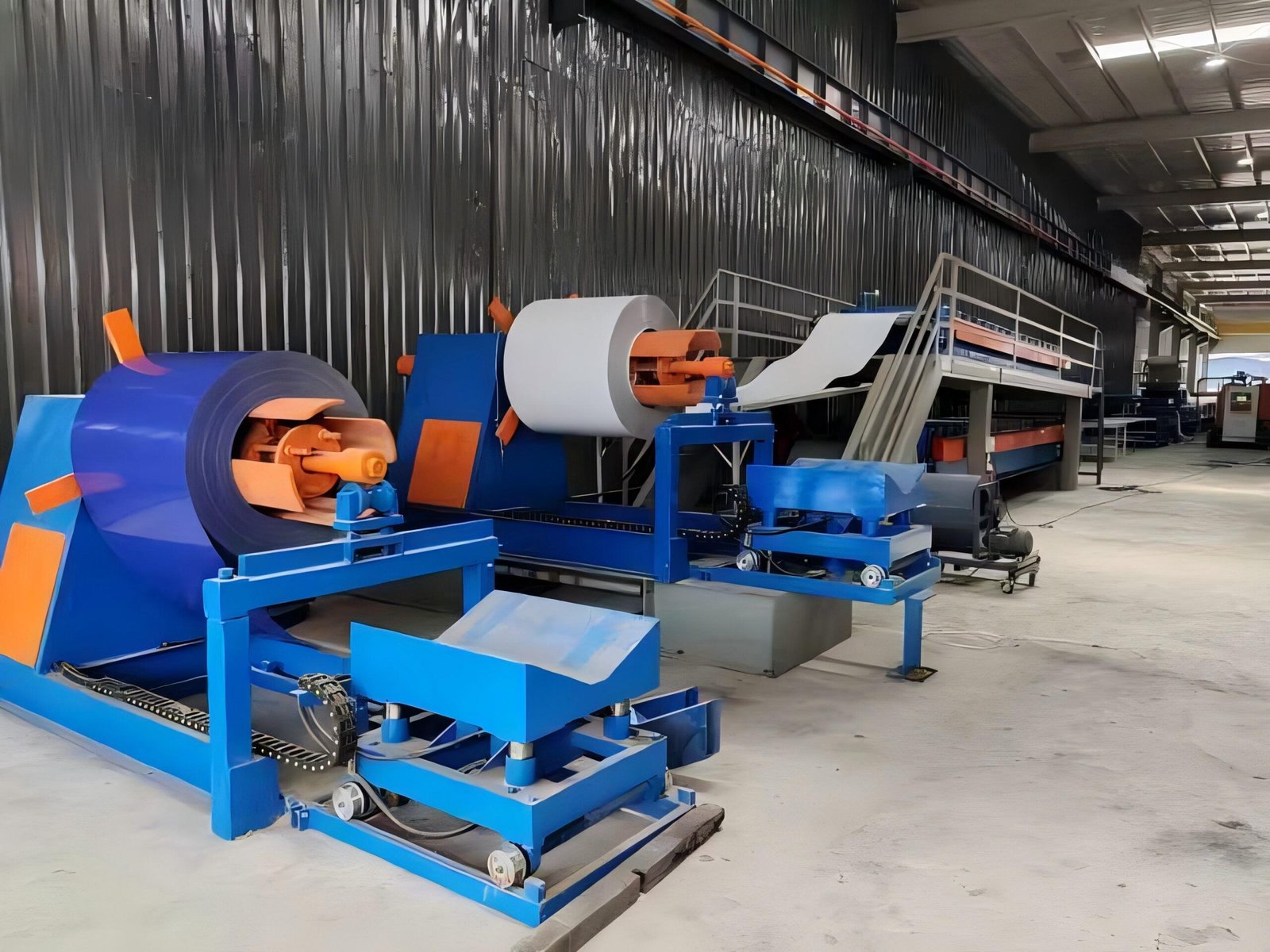
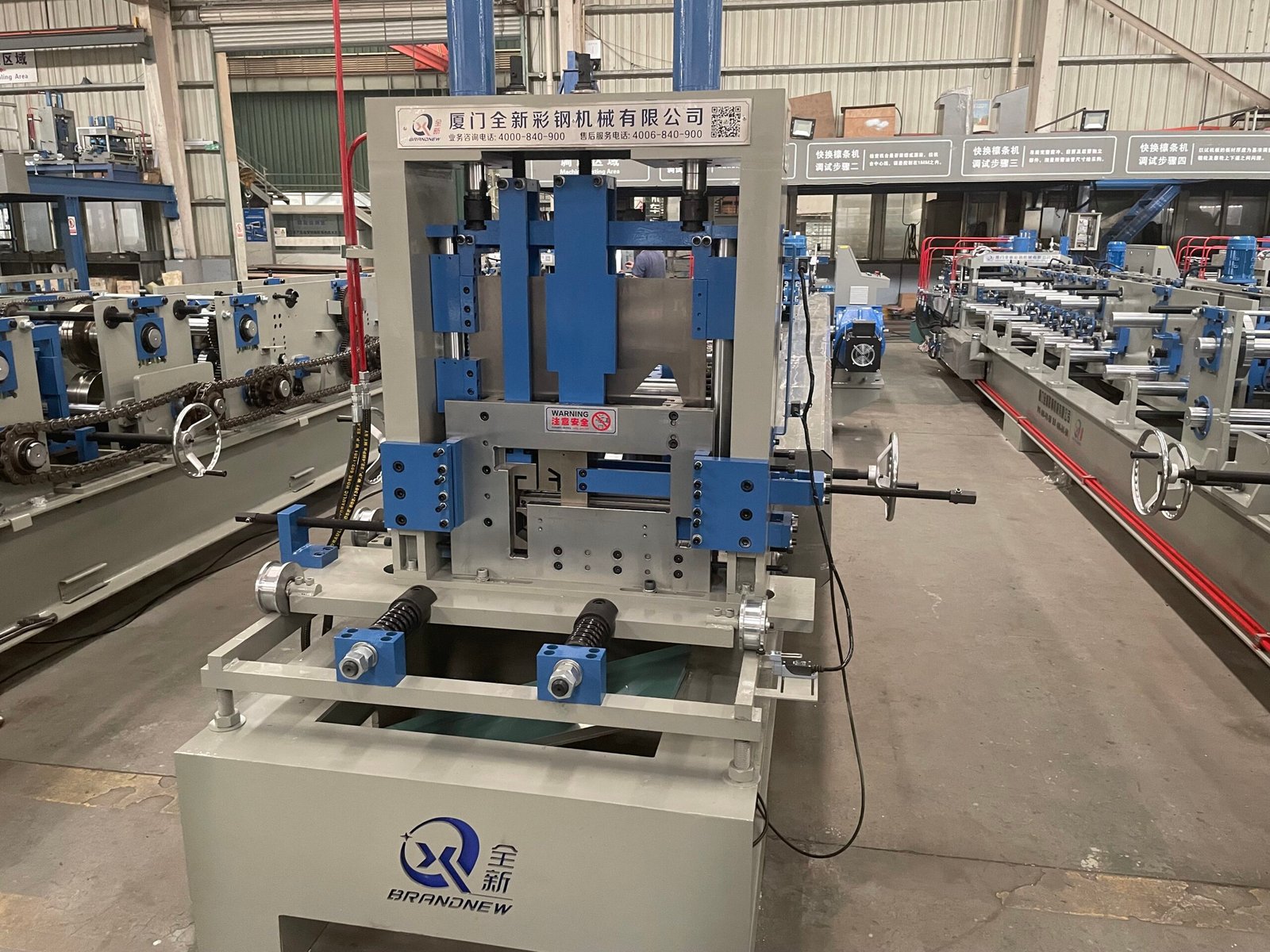
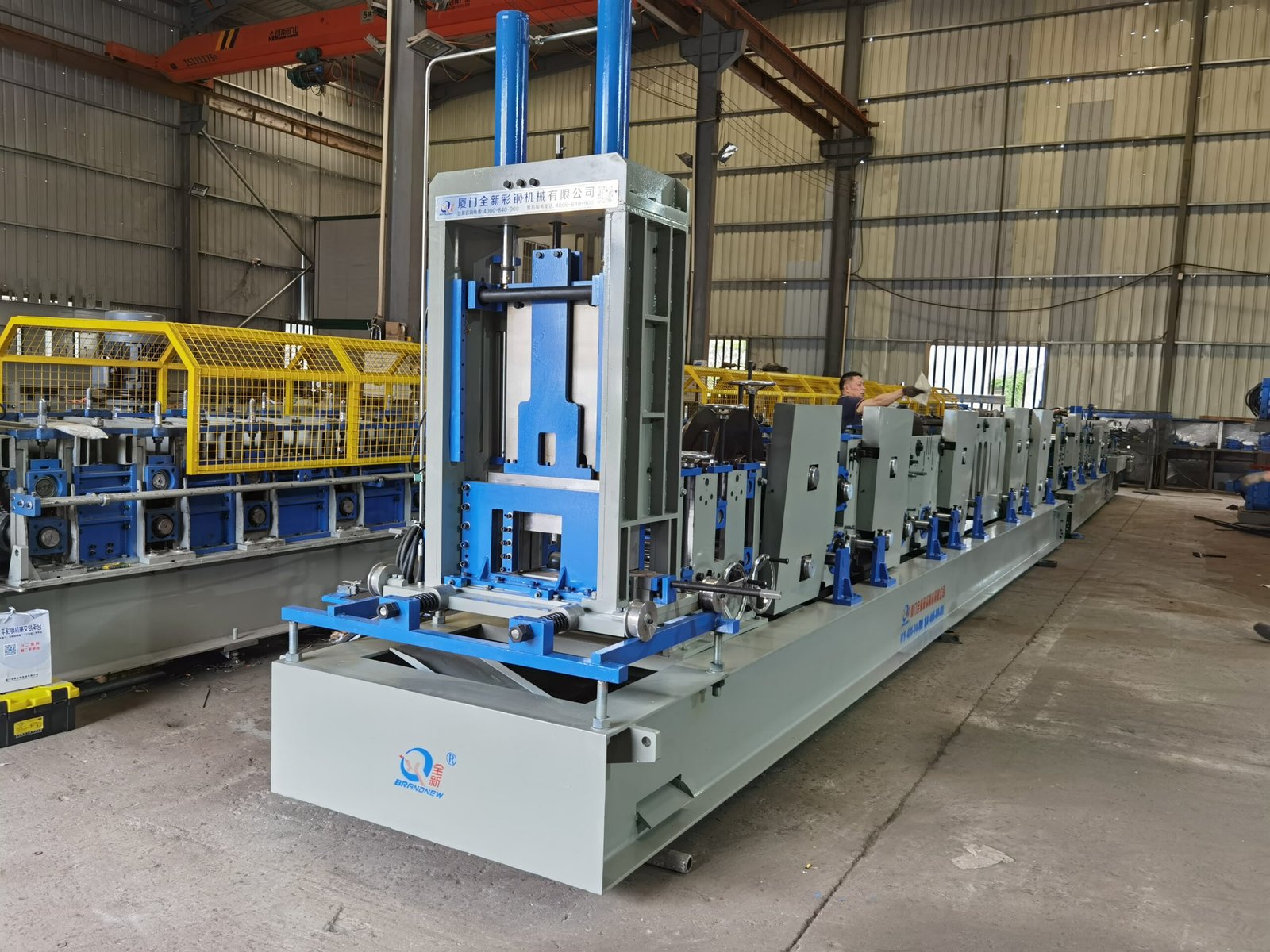
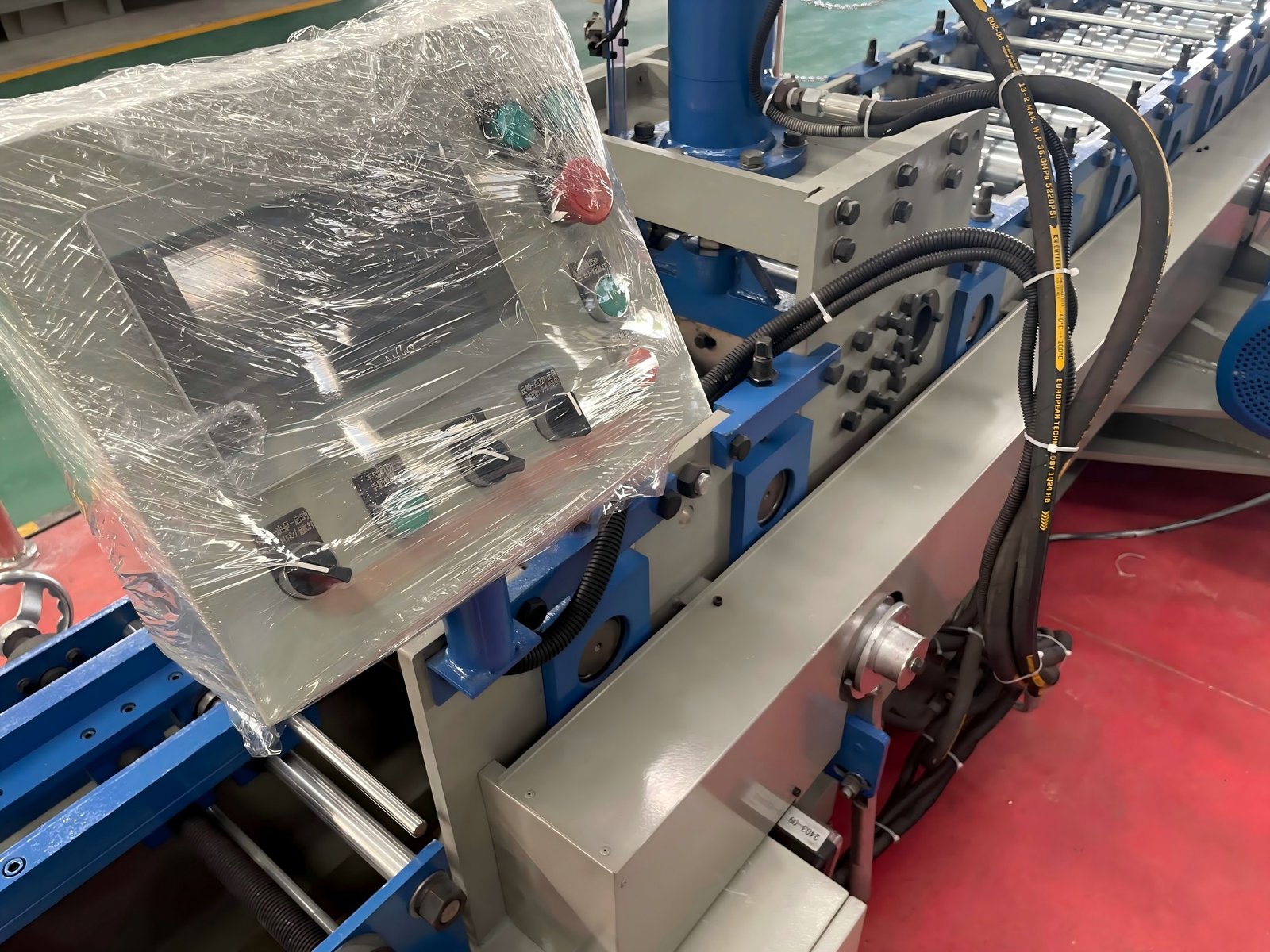
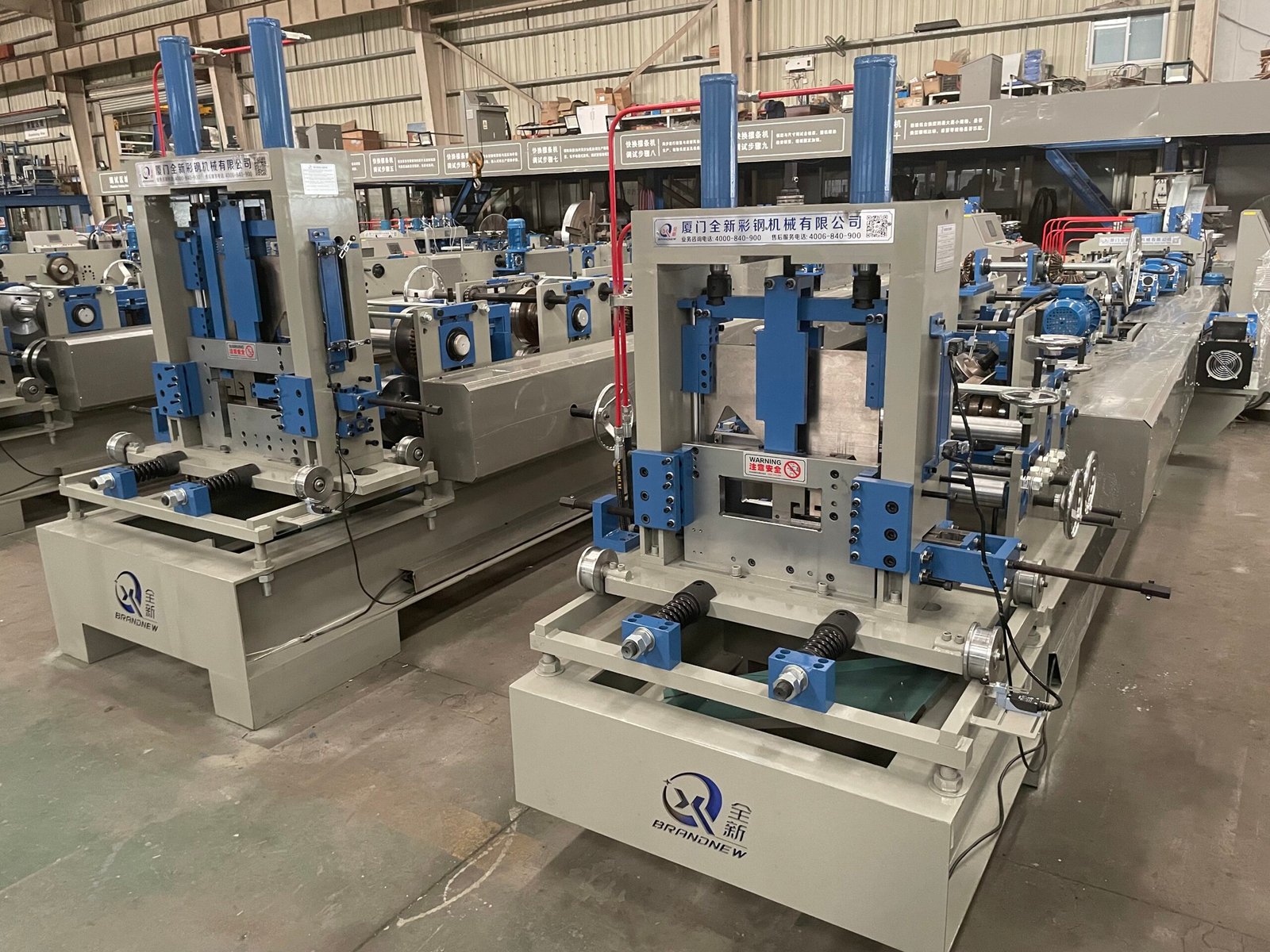
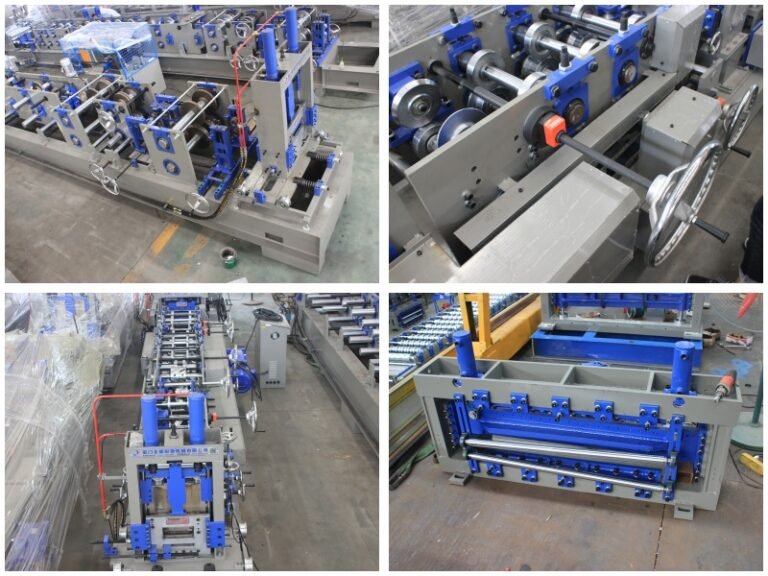
Roll forming machines transform materials step by step to craft accurate profiles. The process starts with preparing the material – holes or notches are often punched upfront to prevent warping that might occur if done after shaping.
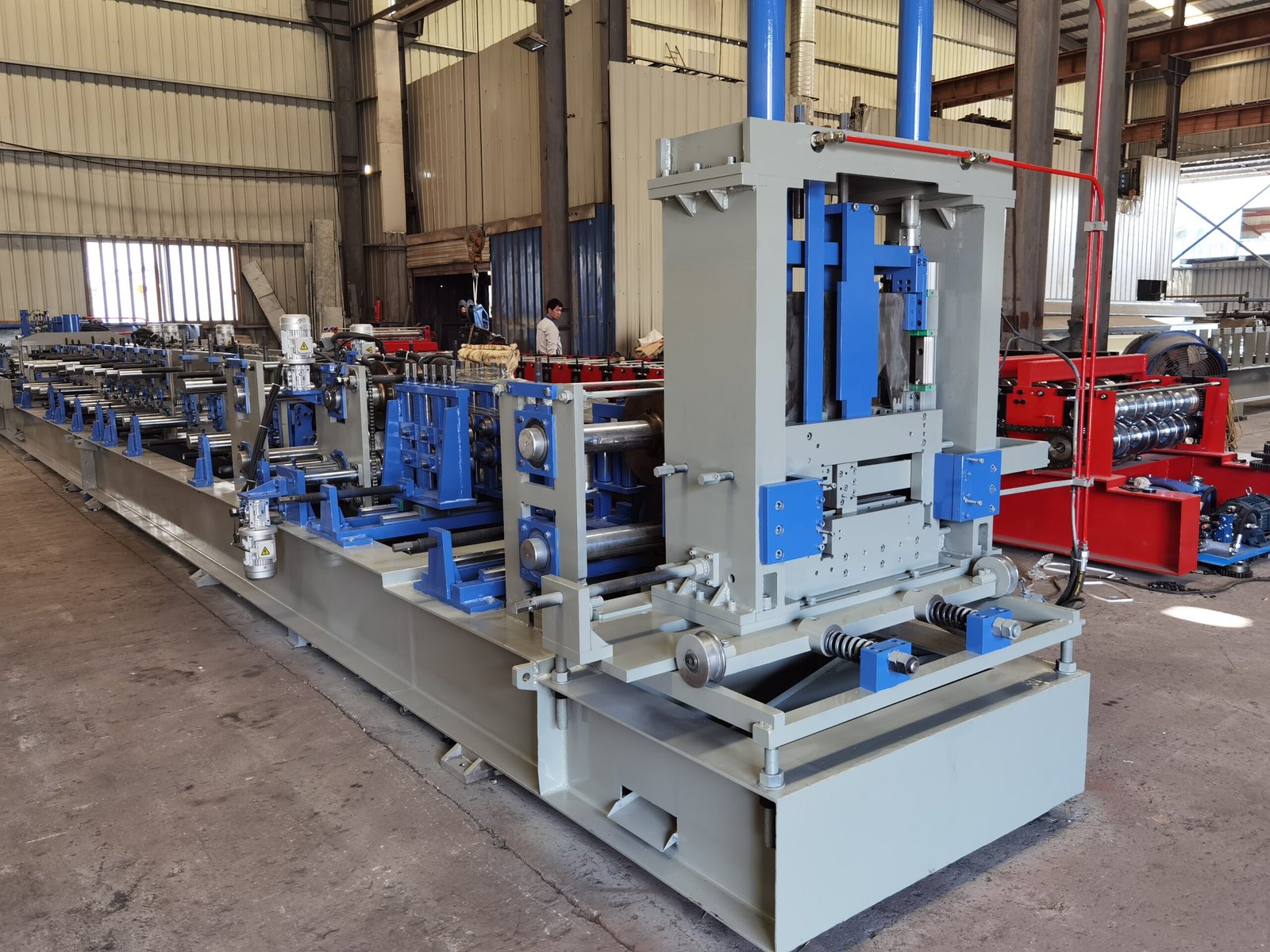
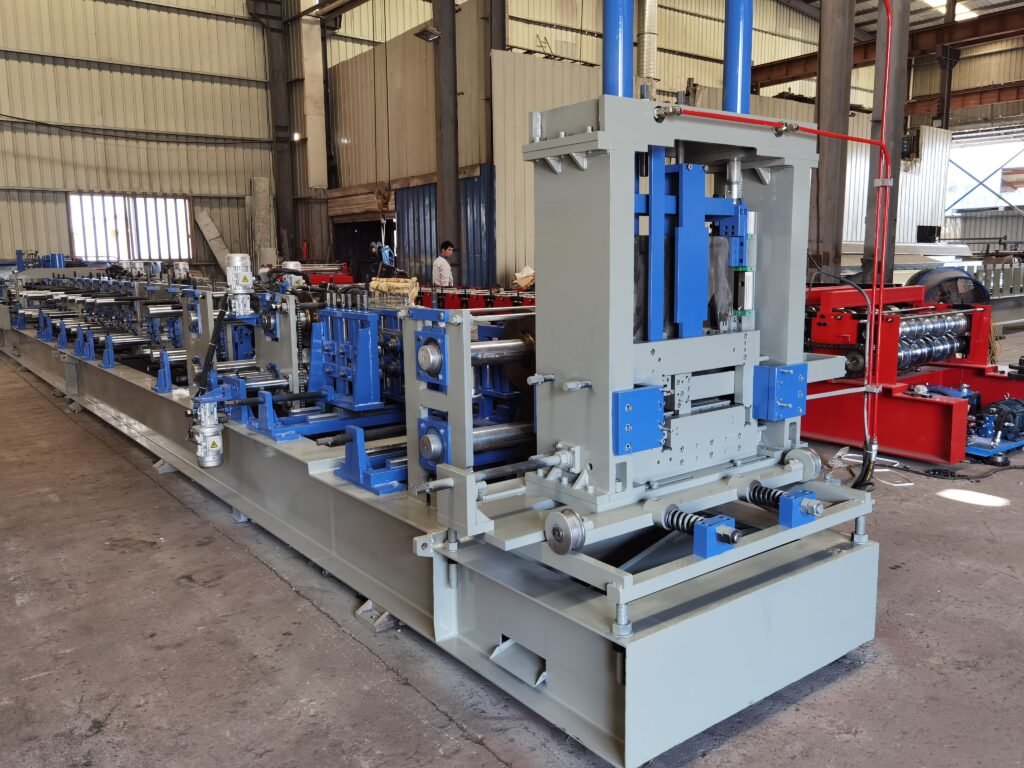
As the metal strip travels along the production line, a series of roller dies slowly bend it into the cross – section that is wanted. Different kinds of material coils can be pressed directly into the surface during this stage, adding functional grips or decorative finishes.
Sharp bends and folds are introduced using specialized rollers or side tools to form features like flanges and angles. Once the basic shape is achieved, final calibration rollers refine the dimensions, eliminating minor distortions for consistency.
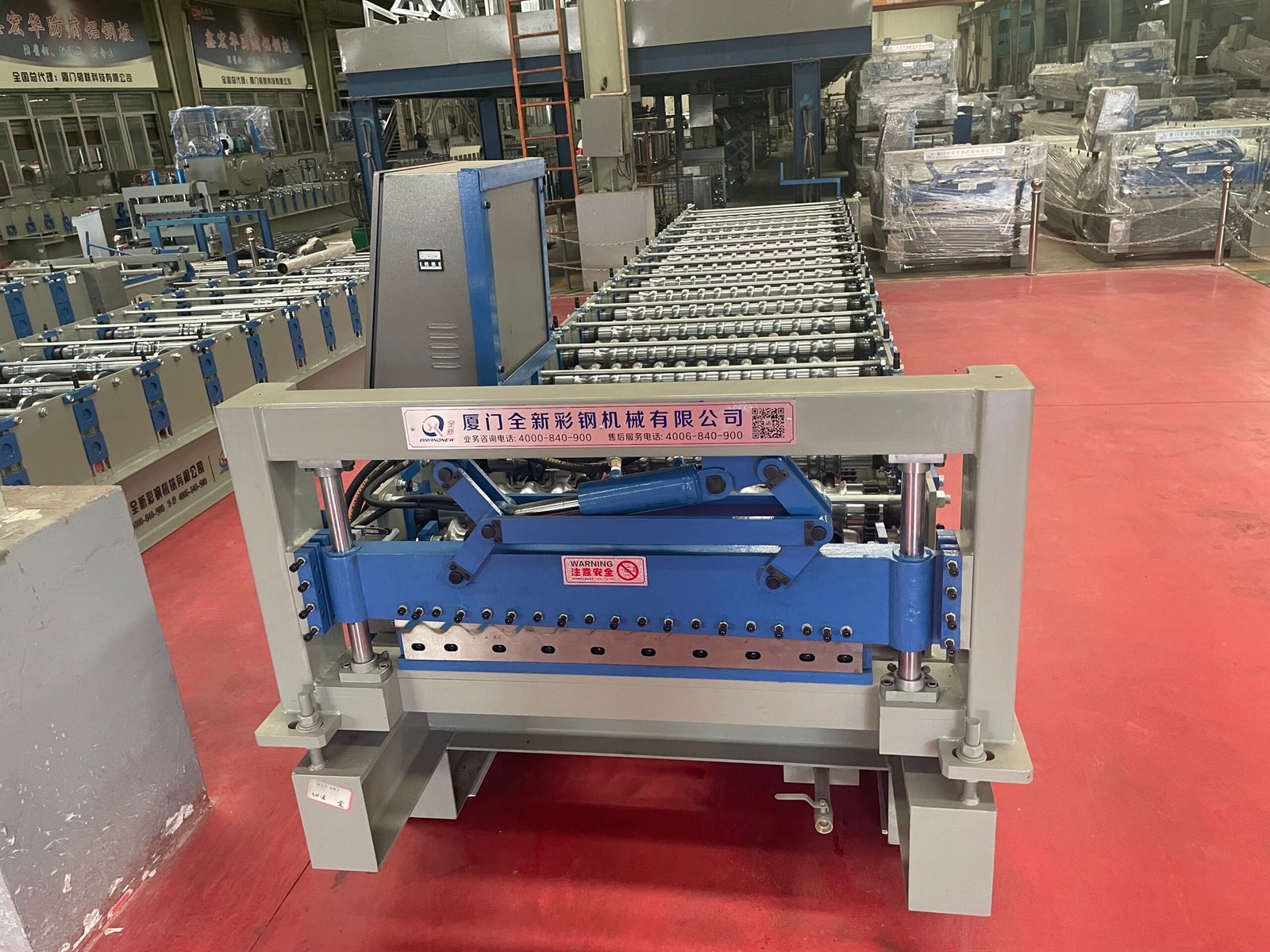
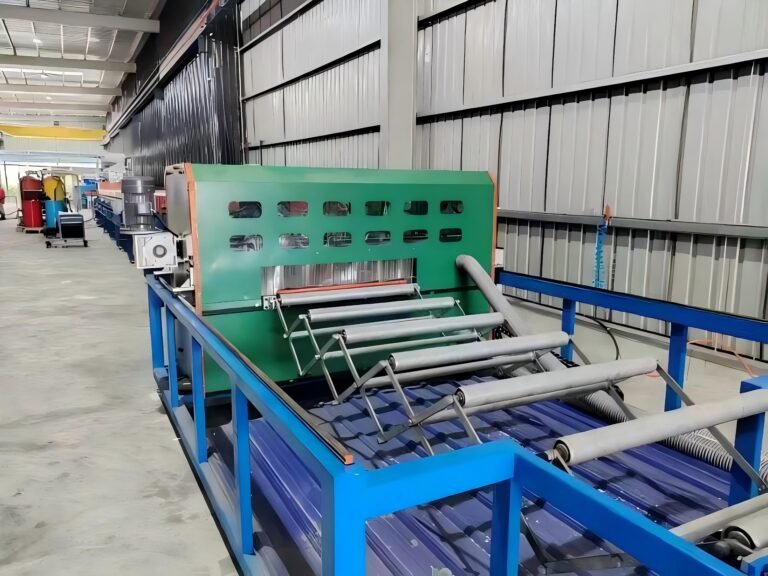
The formed profile is then cut to exact lengths using methods like rotary blades or flying saws. For complex parts, additional steps like welding or end forming may be integrated into the same production line.
Proper lubrication and controlled material tension are essential throughout to avoid surface flaws like cracks or wrinkles. The choice of rollers and production speed also depends on the material – whether it’s steel, aluminum, or other metals.
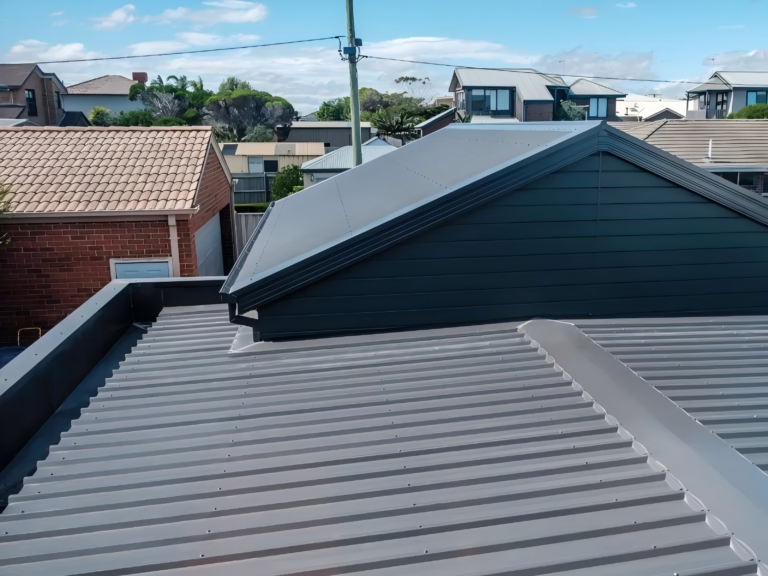
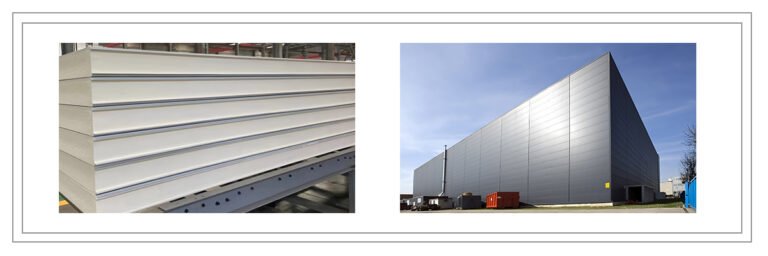
By combining these techniques, roll forming efficiently produces everything from simple U-channels, metal roofing tiles, purlins, wall cladding panels, to intricate curved components used in buildings, vehicles, and appliances.