
Roll Forming Machine for Sale
Looking for a roll forming machine for sale that matches your production requirements? Beenew machinery design and manufacture custom roll forming machines for roofing panels, wall panels, C/Z purlins, cable trays, door frames, solar mounting profiles, and other metal sections, typically handling material from 0.3 mm to 4.0 mm depending on the profile and machine configuration. Send us your profile drawing and production requirements for a technical proposal and quotation.
What Can This Roll Forming Machine Produce?
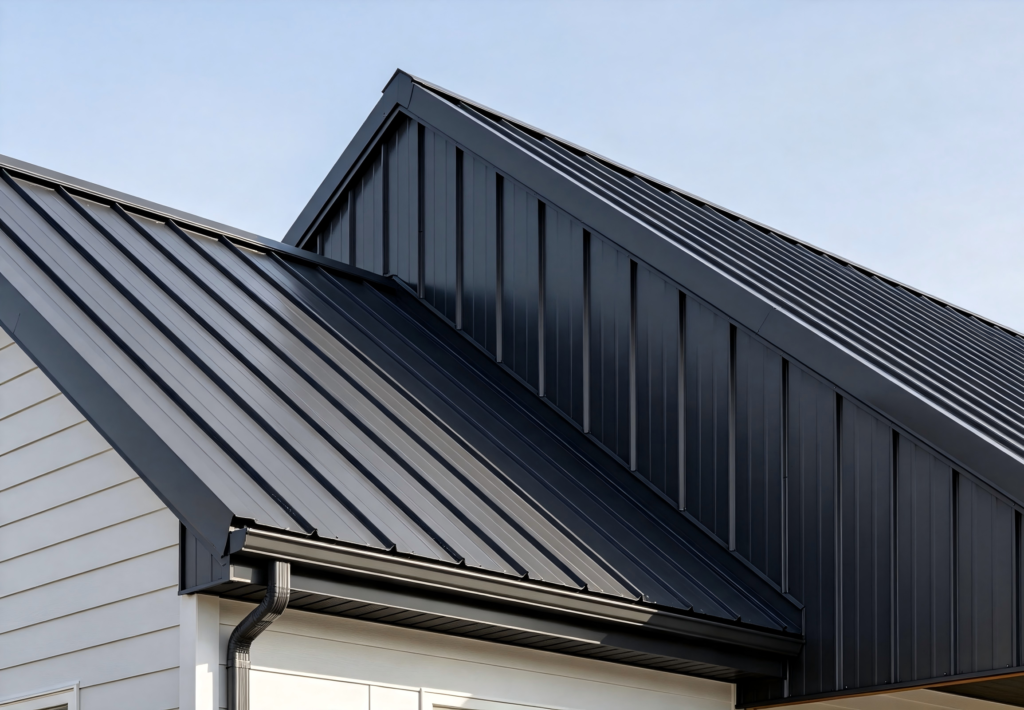
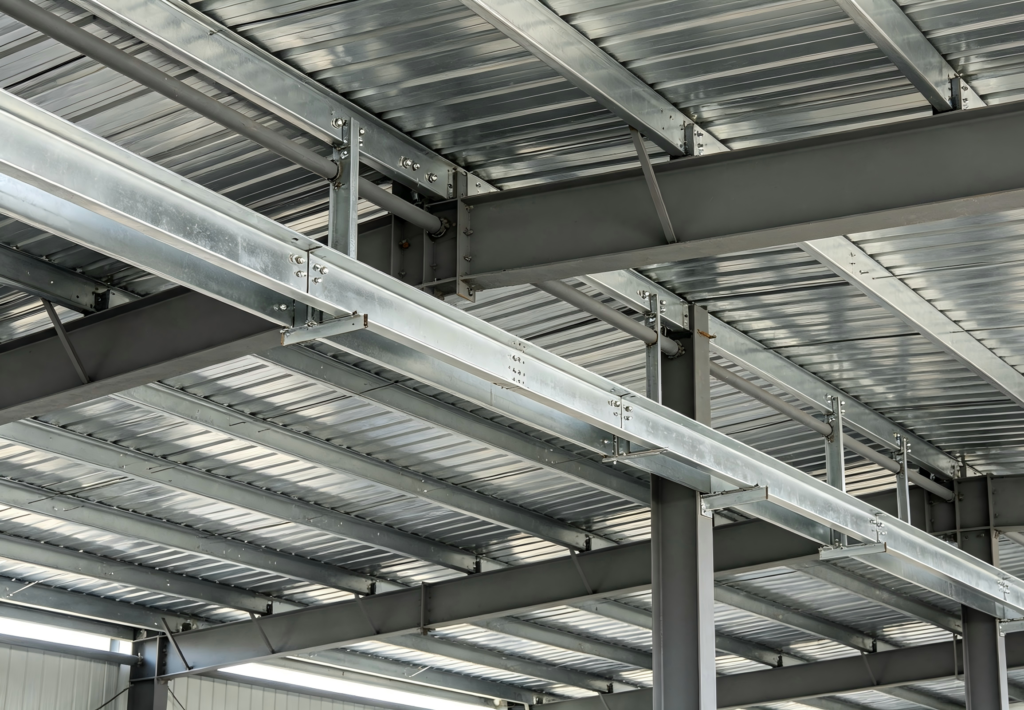
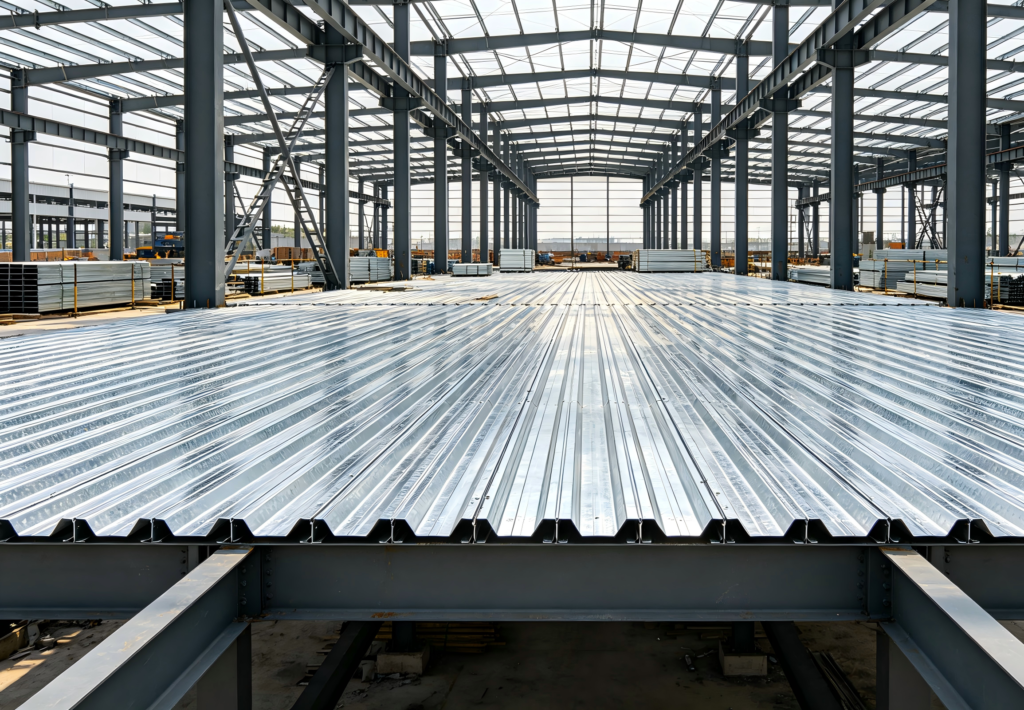
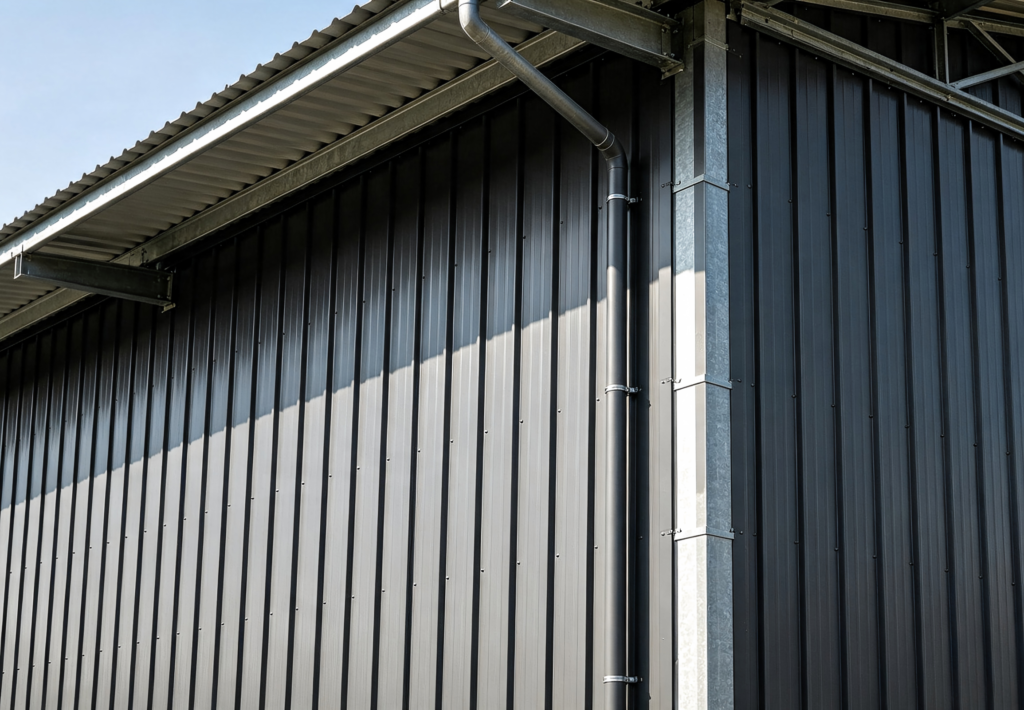
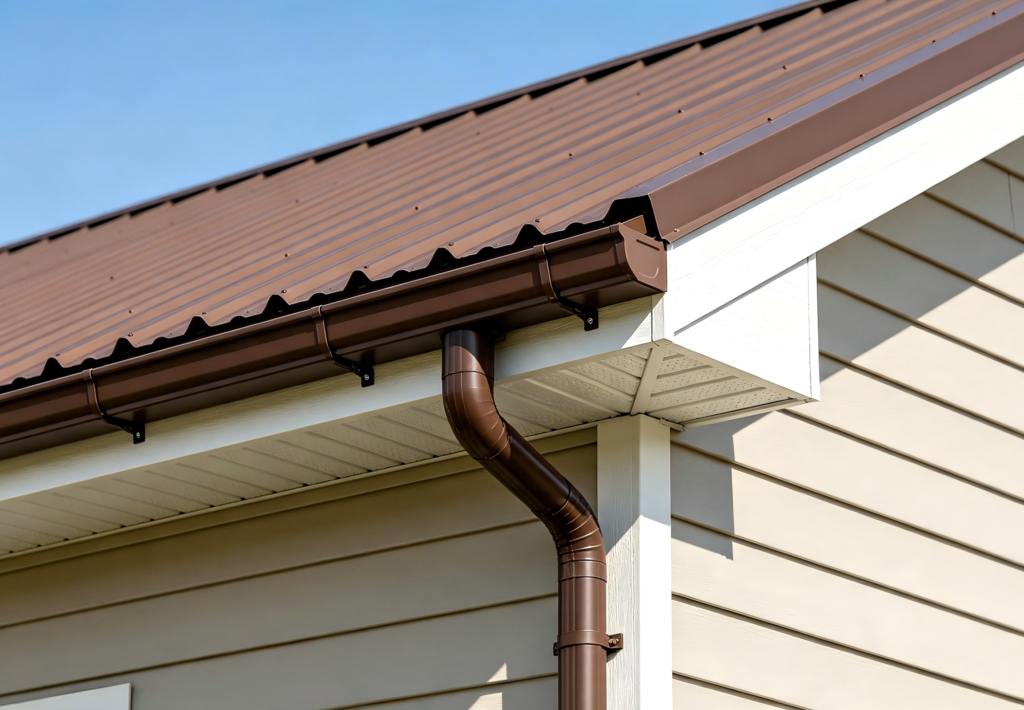
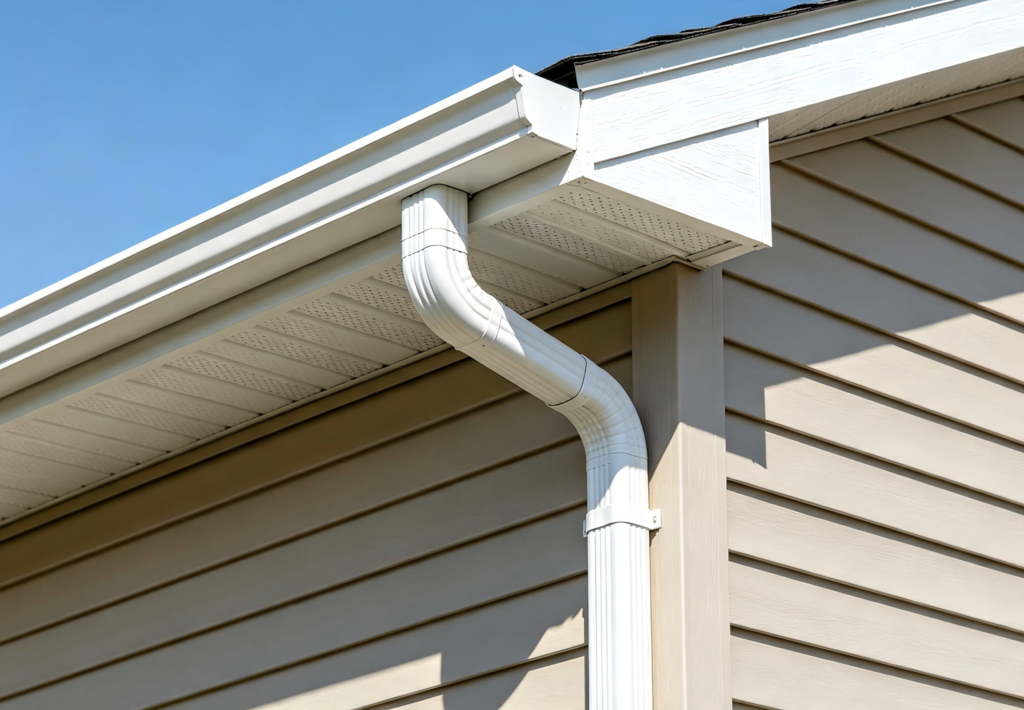
Beenew roll forming machines shape metal coils into unique profiles. They use precise roller stations. Common uses are roofing sheets, wall panels, C and Z purlins, cable trays, door frames, and solar mounts.
A production line can have 10 to 25 roller stations, or even more based on the design.
What Materials and Thicknesses Can the Machine Handle?
Beenew forming machine works with GI, PPGI, galvanized steel, stainless steel, and other compatible coils. Material thickness usually varies from 0.3 mm to 4.0 mm. This range depends on the material grade and profile shape.
The final specification must match the approved profile drawing and material needs.
How Fast Can a Roll Forming Machine Produce?
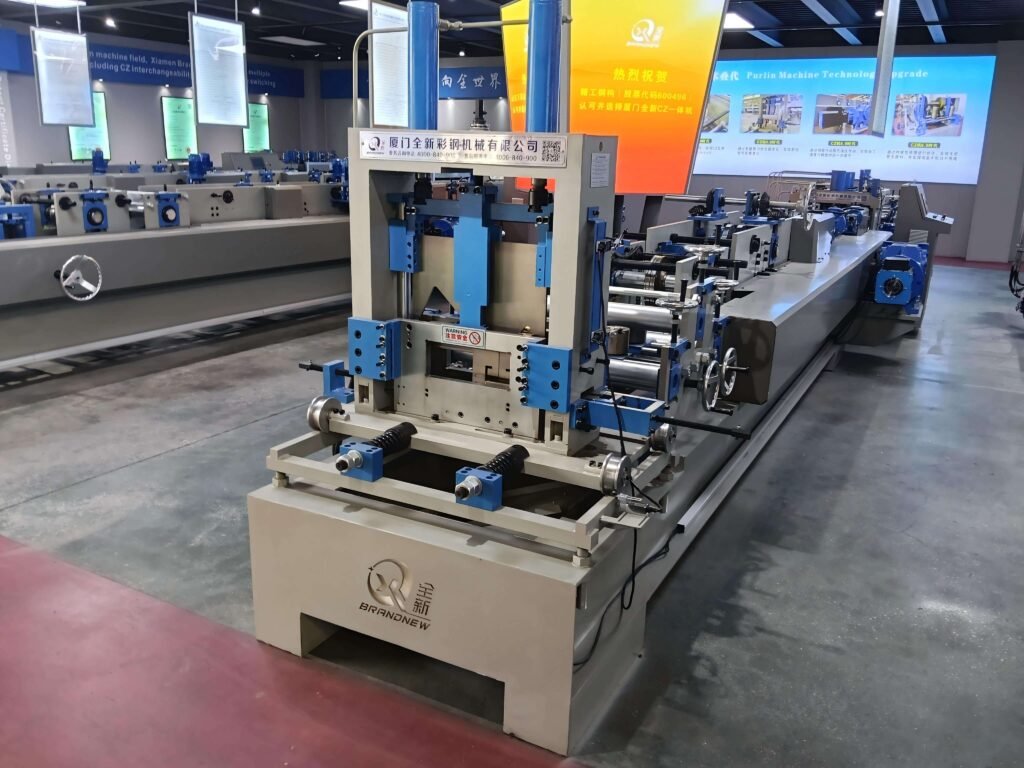
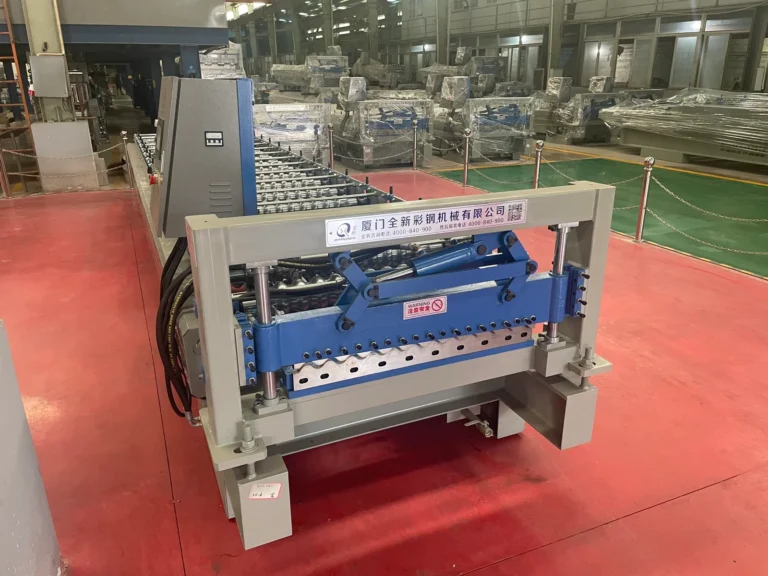
Forming machine speed depends on several factors: the profile design, material thickness, punching process, and cutting method. A standard roll forming line usually runs at about 10–30 m/min during normal production.
The final line speed should be specified in the approved technical proposal.
Can the Roll Forming Machine Be Customized?
Yes. Beenew machinery can customize the roller design, the machine frame, and the systems for punching, cutting, and driving. Also, adjust the automation level to match your production needs.
A customized proposal usually begins with one profile drawing. It also includes five production parameters: material,yield strength,thickness,coil width, required output.
Customized Roller Design
Roller is designed around the profile geometry and forming sequence. The number of forming stages can vary. This depends on the profile’s complexity and the material’s properties.
Customized Punching System
Forming machine has a punching function. You can use it to punch single holes, double holes, or many holes. We can set the punching layout and size based on the customer’s drawings.
Customized Cutting System
You can select from hydraulic, pneumatic, or servo-controlled cutting. Your choice depends on the profile and accuracy you need. Many production lengths can be programmed through the control system.
What is Included in a Complete Roll Forming Line?
A complete production line has: Uncoiler – Feeding system – Leveling equipment – Roll forming machine – Punching unit – Cutting system -Run-out table – Electrical control cabinet.
The final line setup can be one basic forming machine or a fully automated production system.
Uncoiler
We select the uncoiler according to coil weight and coil dimensions. You can create common configurations for various coil capacities to meet production needs.
Roll Forming Unit
The roll forming unit has several roller stations. These stations shape the metal strip step by step. The exact station quantity depends on the profile design.
Cutting System
The cutting system cuts the finished profiles into the preset lengths. You can set the length control in the PLC system based on your installation needs.
PLC Control System
The PLC and HMI provide centralized production control. Operators can often adjust settings such as quantity, production length, and operating sequence from 1 control interface.
How Do You Choose the Right Roll Forming Machine?
Choose the right machine by considering these factors: profile shape,material specs,coil width,material yield strength,production volume,automation needs,these factors affect your machine selection.
Giving full production details before ordering can lower engineering changes in design.
Profile Drawing
The profile drawing shows the shape and size that the roller tooling needs to make. We prefer a CAD drawing or dimensioned technical drawing.
Material Specification
Material type and thickness affect roller design and machine capacity. Higher-strength materials may need a different forming configuration.
Production Capacity
The output will affect the speed of the production line, the level of automation, and the selection of extra equipment.The production targets in meters.
What Information Is Needed to Get a Roll Forming Machine Quote?
Please share your profile drawing. We also need: material type, material thickness,roll width,material yield strength,arget production capacity. These details will help us assess the machine design and find the best solution.
Factors like punching pattern, cutting length, voltage, and automation level can enhance quote accuracy.
Why Choose a Custom Roll Forming Machine?
A custom machine fits the specific profile you want to produce, not a standard setup. This matches the roller design, material options, punching process, cutting system, and production speed to your needs.
The design process must follow a confirmed production specification before starting manufacturing.
Related Roll Forming Machines
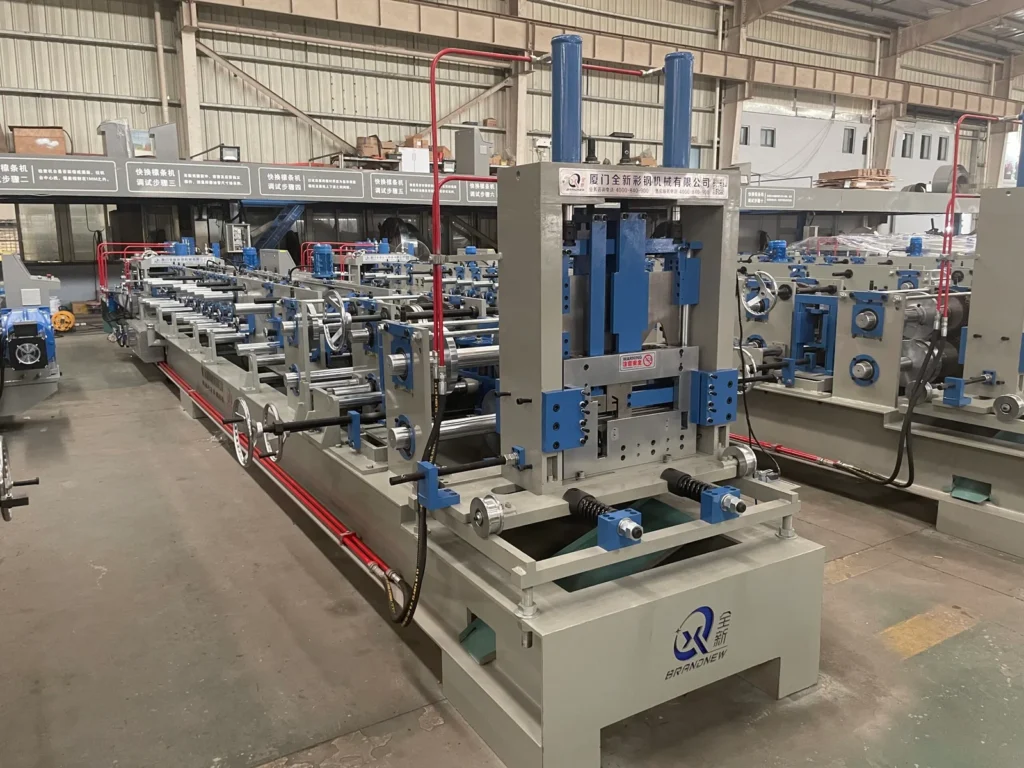
Explore roll forming solutions for C purlin and Z purlin production.
Explore machines designed for metal roofing and wall panel production.
Explore automated equipment for cable tray profile production.
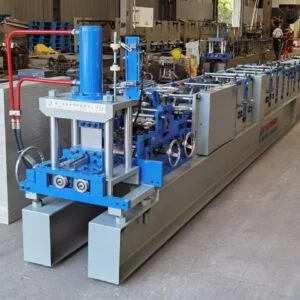
Explore roll forming systems for solar mounting structures and support profiles.
About Roll Forming Machines
The price depends on several factors: profile design, material thickness, number of roller stations, punching needs, cutting system, and automation level. An accurate quotation normally requires a profile drawing plus production specifications.
Lead time depends on the forming machine’s complexity, customization requirements, and production schedule. The final technical and commercial proposal should include the confirmed manufacturing period.
Some machines can create compatible profiles. They use interchangeable tooling, cassette systems, or adjustable roller setups. A dedicated machine may instead optimize for 1 specific profile.
Many roll forming machines can handle material thicknesses from about 0.3 mm to 4.0 mm. The range varies based on material grade, profile shape, machine design, and forming needs.
Typical production speeds can be approximately 10–30 m/min. Actual operating speed depends on profile complexity, material thickness, punching operations, and cutting requirements.
Send the profile drawing, material type, thickness, coil width, and required production capacity. These 5 core inputs provide the foundation for machine selection and quotation.
Beenew Machinery offers a range of services including technical documentation, remote debugging guidance, operator training, spare parts, and if needs, can on-site assistance.
Request a Quote for Your Roll Forming Machine
Send us your profile drawing, material thickness, coil width, and required production capacity. We can suggest the right machine setup. Then, we’ll create a technical proposal that meets your production needs.